Essential FEMA Planning Guides for Disaster Preparedness
TL;DR: FEMA's latest resources enhance community readiness through detailed planning guides addressing varied emergency situations, making disaster preparedness systematic and collaborative.
As of November 2026, the Federal Emergency Management Agency (FEMA) has updated and expanded its range of planning guides available at FEMA.gov. These resources are vital for emergency managers across the United States, providing structured approaches to prepare for various types of disasters, from hurricanes to wildfires.
Overview of FEMA's Planning Guides
FEMA’s planning guides serve as comprehensive blueprints aimed at empowering local governments and organizations to effectively plan and execute emergency management strategies. Highlights from the updated guides include the National Wildfire Evacuation Planning Guidance, published on June 24, 2026, which offers frameworks specifically designed for wildfire scenarios (USFA). This guide emphasizes community engagement in crafting tailored evacuation strategies based on specific risks and resources, reinforcing the importance of continual communication to evaluate effectiveness and response capabilities.
Key Resources for Emergency Management
FEMA provides a toolkit that includes various resources for emergency planners, such as:
Emergency Operations Plans (EOPs): The CPG 101 Guide outlines methodologies for creating actionable emergency operations plans that leverage community resources and needs.
Hazard Mitigation Resources: These guidelines assist in developing mitigation plans that address unique local hazards (Create a Hazard Mitigation Plan) through systematic analysis and planning.
Evacuation and Shelter-in-Place Guidelines: FEMA has published specific guidelines to help jurisdictions plan for effective evacuation and shelter operations. The document covers best practices in public messaging for these critical protective actions, enhancing community resilience (Planning Considerations: Evacuation and Shelter-in-Place).
Preparedness Toolkit: This resource connects planning and operational activities with practical tools for conducting exercises and assessments critical to disaster readiness (Preparedness Toolkit).
Addressing Cyber Incidents in Planning
As cyber incidents become more prevalent, FEMA has developed the Planning Considerations for Cyber Incidents, which lays out a framework for state and local emergency managers to better prepare for potential cyber threats. This guideline delves into planning elements specific to cyber vulnerabilities, signaling a forward-thinking approach to modern threats.
Community Engagement: Critical for Success
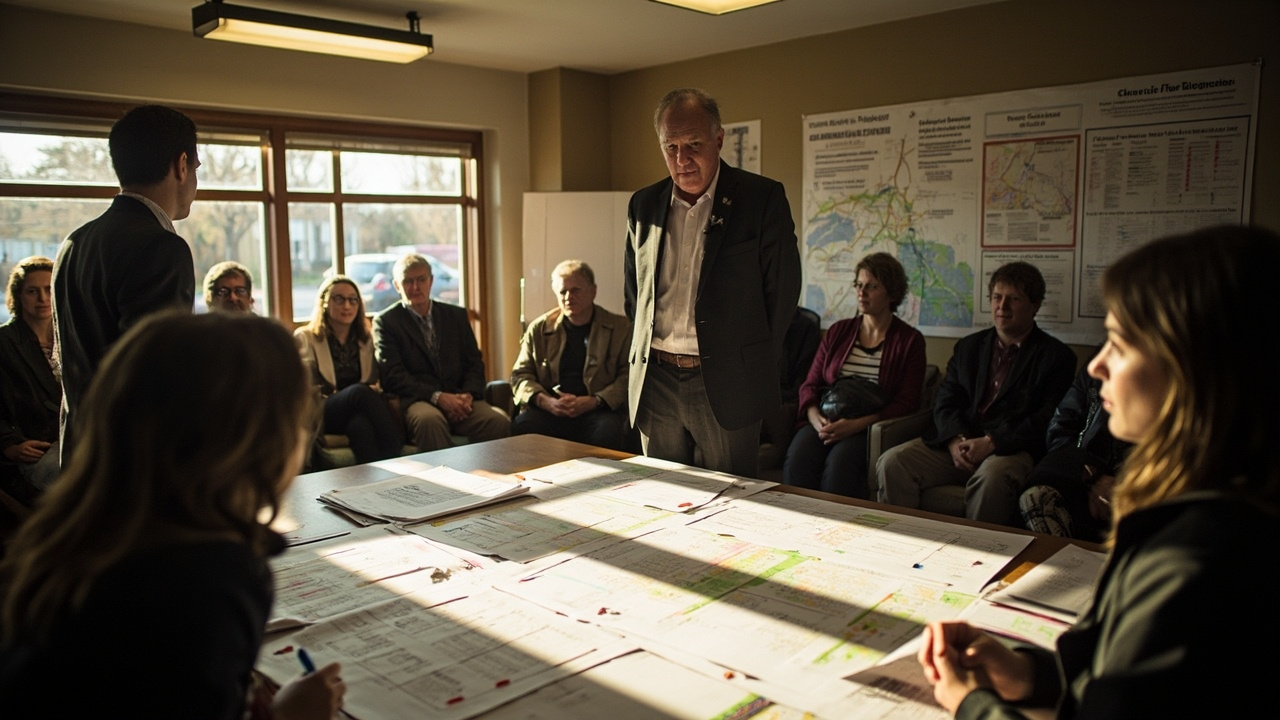
Fostering effective community engagement is a core principle outlined in FEMA's guides. The Comprehensive Preparedness Guide (CPG) 201 underlines the importance of involving all community stakeholders in the planning process to ensure that plans reflect the diverse needs of the population and are sustainable over time.
Emergency managers are encouraged to conduct drills and exercises that incorporate real-world scenarios, allowing them to refine their plans continuously and adapt to evolving conditions and potential risks.
Real-World Application of FEMA Resources
Localities across the U.S. have actively utilized these resources to prepare for the increasing threats posed by climate change-related disasters. For example, communities in hurricane-prone areas can implement the updated Hurricane Evacuation Decision Support Tool (HURREVAC), which integrates real-time weather data and evacuation timing (Hurricane Readiness Resources for Emergency Managers). This tool supports informed decision-making in potentially life-threatening situations.
Continuous Improvement: Feedback and Updates
FEMA’s planning guides are periodically updated based on practitioner feedback and lessons learned from past disasters (FEMA Bulletin Week of August 25, 2026). This iterative process ensures that the guidelines remain relevant and effective in addressing the challenges faced by local emergency managers.
Conclusion
FEMA's planning guides are invaluable resources that provide structured approaches to disaster preparedness. By engaging communities in the planning process, utilizing cutting-edge tools, and updating resources based on real experiences, FEMA equips emergency managers to respond effectively to disasters and safeguard lives. Local governments and emergency planners are encouraged to leverage these resources to ensure their communities are resilient and prepared for future crises.
Key Takeaways
- FEMA's updated planning guides offer critical frameworks to enhance community readiness for disasters.
- The National Wildfire Evacuation Planning Guidance provides specific structures for preparing for wildfire emergencies.
- Effective resource management is emphasized through tools like the Preparedness Toolkit and HURREVAC.
- Continuous improvement of planning guides is informed by feedback and real-world disaster experiences.
- Community engagement in the planning process is vital for successful disaster response.
FAQ
What are FEMA's planning guides? FEMA's planning guides are comprehensive resources designed to help emergency managers develop effective strategies for disaster preparedness, ensuring that communities can respond efficiently to emergencies.
How often are FEMA's planning guides updated? FEMA updates its planning guides periodically, incorporating feedback from practitioners and lessons learned from past disasters to remain relevant.
Where can I find FEMA's planning resources? FEMA's planning resources can be accessed on their official website, particularly at the National Preparedness page.
What is HURREVAC? HURREVAC is a web-based tool that combines weather forecasts and evacuation modeling to assist emergency managers in making timely evacuation decisions during hurricanes.
How can communities engage in the disaster planning process? Communities can engage by participating in planning meetings, drills, and exercises to ensure that their needs and concerns are met in the emergency plans.